Reserve Bank of Zimbabwe reviews AFRACA's Strategic Plan 2026 to 2030 ahead of the November exchange programme
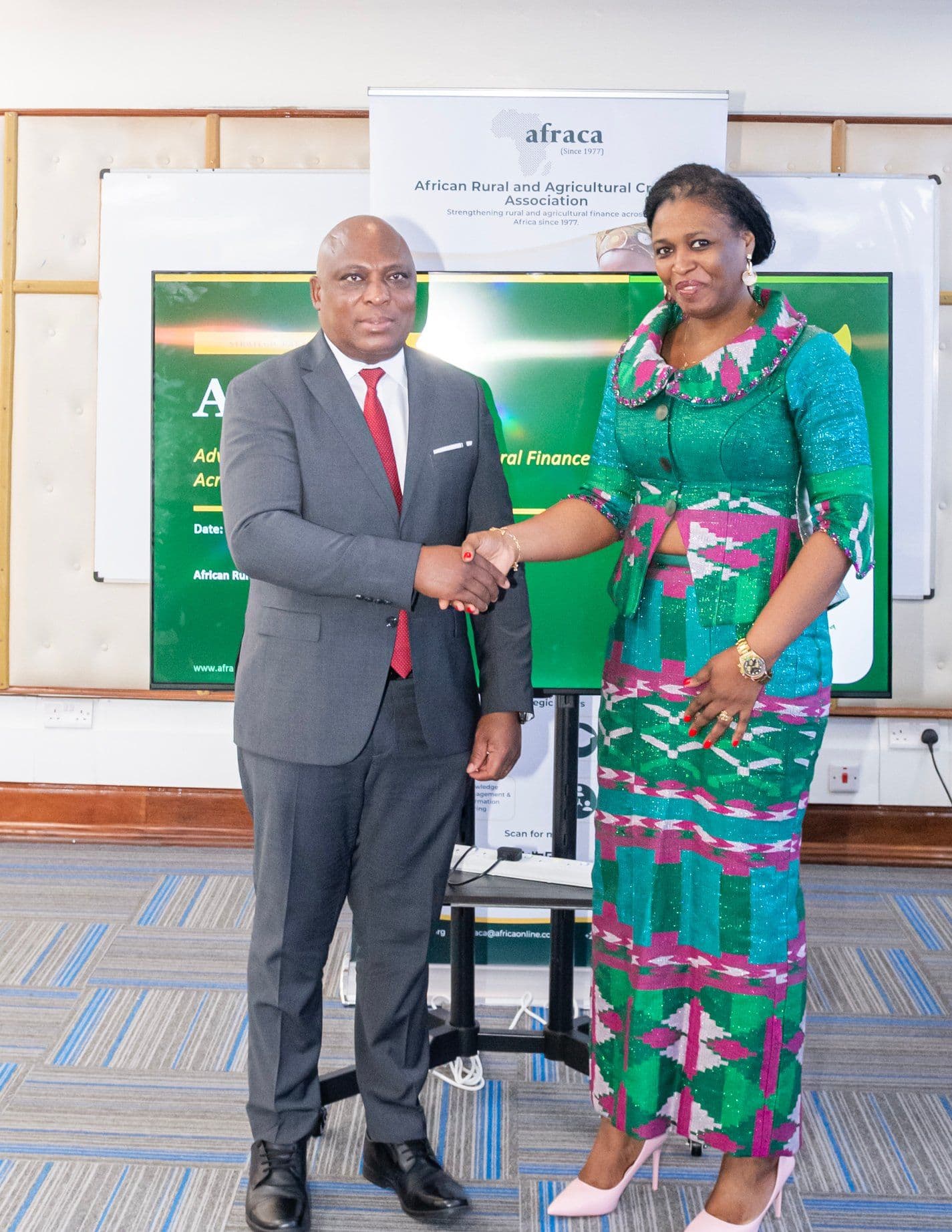
The Governor of the Reserve Bank of Zimbabwe met the AFRACA Secretariat in Nairobi on 16 September 2026, on the margins of the 2026 Annual Meetings of the Association of African Central Banks, hosted by the Central Bank of Kenya as part of its sixtieth anniversary. The Reserve Bank of Zimbabwe chairs AFRACA's Southern Africa Sub-Region; its Deputy Governor represents the sub-region on the Executive Committee.
Ms. Ngo B. Anny Caroll, Secretary General of the African Rural and Agricultural Credit Association, received the Governor and delegation at the Secretariat's offices at the CBK Institute of Monetary Studies. The Governor and the Secretary General discussed financial inclusion, new approaches in financial services, knowledge exchange, and financial systems that serve rural and productive economies.
The Strategic Plan 2026 to 2030
The Secretary General presented AFRACA's Strategic Plan 2026 to 2030, which moves the association from convening to implementation. The plan sets out two areas of work:
- Technical assistance and advisory services, covering products, risk management, climate readiness and project preparation.
- Capital mobilisation, including credit lines, financing partnerships and guarantees for AFRACA members.
Interventions under the plan are tailored to each country's needs and draw on regional peer learning. The presentation also covered AFRACA's seven focus areas for engagement with central banks: the proposed AFRACA Rural and Agricultural Fund, the strategic plan itself, an Agricultural Guarantee Scheme, green finance readiness, research on collateral registries, digitalisation of financial services, and the blue economy.
The Multi-Country Exchange Programme
Zimbabwe is one of nine countries in AFRACA's Multi-Country Exchange Programme, from 2 to 6 November 2026, with Kenya, Tanzania, Ghana, Uganda, Cameroon, Senegal, Burkina Faso and Nigeria. The programme takes practitioners from member institutions into each other's markets for a working week.
Follow-up
The meeting closed on the four steps AFRACA proposed to each central bank during the week: a focal point at the bank for continued engagement with the Secretariat; one priority, in financing, policy, climate, collateral or digital finance, where collaboration can begin; the national banks, guarantee institutions, regulators and fintechs to connect with AFRACA; and a practical next step, such as a follow-up meeting, a technical session, participation in a study or a financing discussion.
AFRACA thanks the Governor and the Reserve Bank of Zimbabwe delegation for giving time to the Secretariat during a full AACB week.
AFRACA was established in 1977 under the auspices of the Food and Agriculture Organization and brings together more than 85 member institutions in 30 African countries.