Central Bank of Seychelles and AFRACA discuss finance for the blue economy and green finance readiness
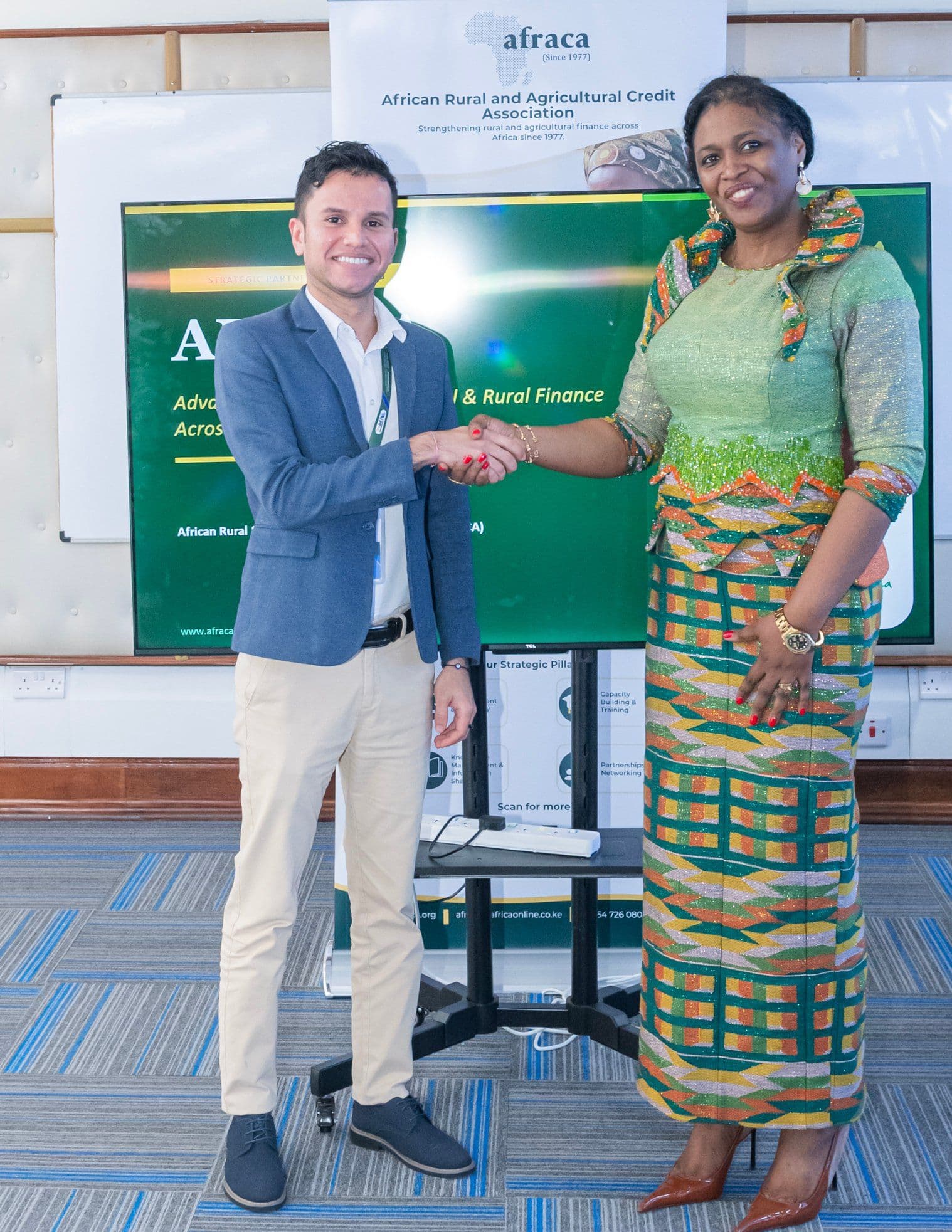
The Central Bank of Seychelles met the AFRACA Secretariat in Nairobi on 17 September 2026, during the 2026 Annual Meetings of the Association of African Central Banks, hosted by the Central Bank of Kenya as part of its sixtieth anniversary. Ms. Ngo B. Anny Caroll, Secretary General of the African Rural and Agricultural Credit Association, received a senior officer of the Bank at the Secretariat's offices at the CBK Institute of Monetary Studies.
The two sides exchanged views on financial inclusion, institutional cooperation and knowledge exchange, and the Bank's representative was receptive to the presentation as a whole.
The blue economy
AFRACA's blue economy focus area facilitates access to blue finance, knowledge and partnerships to develop sustainable activities related to aquatic resources. For an island economy the productive sector extends beyond the land, and the Secretary General presented this area alongside the association's work on agricultural value chains and guarantees.
Green finance readiness
The presentation also set out what green finance readiness involves for financial institutions:
- Climate-risk management and integration of environmental, social and governance (ESG) standards
- Project preparation, monitoring and reporting
- A pipeline of bankable climate-smart agriculture and rural investments
Central banks contribute through regulatory guidance, market development, data, supervisory dialogue and convening. AFRACA supports its members with readiness assessments, training, product development and links to climate finance partners.
Follow-up
The meeting closed on the four steps proposed to each central bank: a focal point at the bank; one priority where collaboration can begin; the national institutions to connect with AFRACA; and a practical next step.
AFRACA thanks the senior officer and the Central Bank of Seychelles for their time during a full AACB week.
AFRACA works with more than 85 member institutions in 30 African countries and with partners including FAO, IFAD, AGRA, AFD and UNDP.